Crypto vs Dollar: IMF’s Ex-Chief Sounds the Alarm
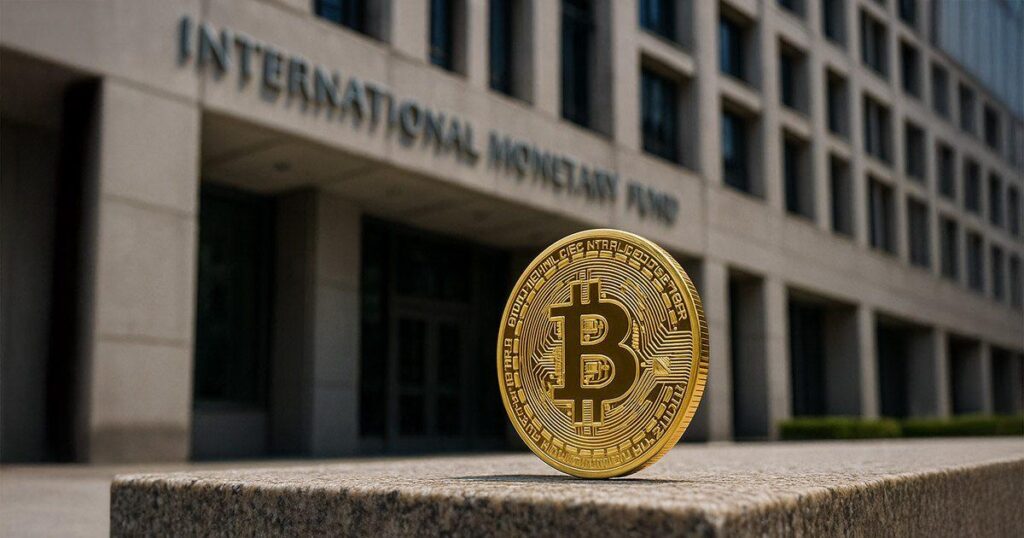
summary : Former IMF Chief Economist Kenneth Rogoff warns that crypto is a growing threat to the U.S. dollar’s global dominance. As digital assets gain traction worldwide, they challenge traditional financial systems and reduce U.S. influence, prompting urgent calls for regulation and innovation. full story below.
full story: Former IMF Chief Economist Kenneth Rogoff warns that crypto is a growing threat to the U.S. dollar’s global dominance. As digital assets gain traction worldwide, they challenge traditional financial systems and reduce U.S. influence, prompting urgent calls for regulation and innovation.
Is Crypto the Dollar Killer We Didn’t See Coming?
The digital asset space is no longer just a playground for tech-savvy investors and blockchain nerds. According to Kenneth Rogoff, the former chief economist of the International Monetary Fund (IMF), cryptocurrencies are now a genuine threat to the U.S. dollar’s global dominance. That’s not just a spicy headline — it’s a seismic shift with global economic consequences.
So, what does it mean when one of the most respected voices in international finance sends up a flare?
Let’s break it down.
💥 The Dollar’s Reign May Be Ending
For decades, the U.S. dollar has been the undisputed king of the global financial system. But Rogoff warns this era might be drawing to a close. Why? Because crypto is doing more than disrupting—it’s challenging the very foundation of traditional finance.
🧠 Who is Kenneth Rogoff and Why Should We Care?
- Former IMF Chief Economist
- Currently a Harvard Economics Professor
- Leading expert on global monetary policy
- Author of “The Curse of Cash”
When someone with this pedigree starts warning about crypto as a “rising threat,” we should listen. Not because he’s anti-crypto, but because he sees what’s coming.
🚨 Crypto: From Fringe to Force
H2: How Did Crypto Get So Powerful?
Cryptocurrencies started as experimental tech, but they’ve grown fast—like wildfire in a dry forest. Bitcoin, Ethereum, stablecoins, and even memecoins have created a new financial ecosystem.
H3: What’s Driving Crypto Adoption?
- Decentralization: People want control over their money.
- Inflation hedging: Crypto is seen as “digital gold.”
- Global access: Crypto crosses borders without friction.
- Distrust in banks: Especially post-2008 and during COVID.
H4: And It’s Not Just Retail Investors
Governments, hedge funds, pension managers, and corporations are all dabbling in digital assets now. Even El Salvador made Bitcoin legal tender. This is not just a tech trend anymore—it’s a macroeconomic movement.
🌍 The Dollar’s Global Power Is Built on Trust
Let’s get real—the U.S. dollar isn’t backed by gold anymore. It’s backed by the trust people have in the U.S. economy and its stability.
Crypto threatens that because it offers an alternative system—one that isn’t governed by any single country or central bank.
📉 Rogoff’s Core Concern: Loss of Control
H2: Why Governments Are Sweating
When people shift to crypto:
- Central banks lose control over monetary policy.
- Governments struggle to regulate cross-border payments.
- Sanctions and financial restrictions become easier to dodge.
- Tax evasion and shadow economies can explode.
Rogoff argues that the more widespread crypto becomes, the harder it is to enforce financial rules.
💬 Rogoff’s Exact Words: Let That Sink In
“Crypto is a rising threat to the dollar’s dominance. It’s not about Bitcoin being better—it’s about the system being ungovernable.”
Yikes. That’s not a small concern—it’s a global wake-up call.
🪙 Stablecoins: The Trojan Horse in the Room
Stablecoins like USDC and USDT might look safe, but they’re a silent revolution.
They’re pegged to fiat currencies, but they operate outside of traditional banking systems. This makes them:
- Fast
- Cheap
- Borderless
But it also makes them dangerous to the status quo.
🇨🇳 China’s Digital Yuan Adds More Pressure
If the U.S. delays launching a digital dollar, other countries—especially China—might leapfrog it.
H3: China’s Advantage? Centralized Innovation
- Digital Yuan already being used in real-world scenarios
- Offers programmable money at scale
- Could attract global trade away from the dollar
If that happens, the dollar might not be the world’s default currency anymore.
💸 Crypto Enables De-Dollarization
H2: What Is De-Dollarization Anyway?
It’s the process of countries moving away from the dollar for international trade and reserves.
And crypto? It accelerates that process.
- Russia and China are exploring crypto for cross-border payments.
- Iran and Venezuela already rely on crypto to bypass sanctions.
- Emerging markets like Argentina and Nigeria are adopting Bitcoin due to currency instability.
📊 IMF’s Role in All This
The irony? The IMF is still debating how to regulate crypto while its former chief is out here sounding the alarm.
It’s like watching someone fiddle with blueprints while the house next door is already on fire.
🚀 Crypto Isn’t Just a Currency. It’s a Movement.
We need to understand this: crypto isn’t just about money.
It’s about:
- Freedom
- Transparency
- Financial inclusion
- Breaking monopolies
That’s why it’s scary to governments—and empowering to individuals.
🧩 Can the U.S. Dollar and Crypto Coexist?
Short answer? Maybe. But not without major adjustments.
The U.S. needs to:
- Launch a digital dollar (CBDC)
- Regulate crypto without killing innovation
- Ensure global partnerships to maintain influence
If it doesn’t? The power vacuum will be filled by crypto-native systems or rival nations.
🧠 Let’s Get Real: What’s the Endgame Here?
We’re heading toward a multi-currency, decentralized future. That doesn’t mean the dollar dies, but it does mean:
- Its dominance could be permanently diluted
- Power will be more evenly distributed
- Nations and individuals will have new options
And once people taste freedom, they rarely go back.
🛡️ How Can the U.S. Defend the Dollar?
- Innovation: Embrace blockchain and fintech.
- Clarity: Give crypto firms clear rules.
- Diplomacy: Collaborate on international crypto standards.
- Speed: Move faster than bureaucratic red tape allows.
In a nutshell: adapt or fade.
🔮 Final Thoughts: The Writing’s on the Blockchain
Crypto isn’t coming—it’s already here. And it’s knocking on the dollar’s front door. Whether it gets let in, kicked out, or burns the house down depends on the decisions global powers make right now.
Kenneth Rogoff isn’t crying wolf. He’s warning that the wolf is already in the backyard—and it’s building a DeFi protocol.
🙋♂️ FAQs
1. Why does crypto threaten the U.S. dollar?
Because it offers an alternative system of money that’s decentralized, faster, and harder for governments to control.
2. What are stablecoins, and why are they important?
Stablecoins are cryptocurrencies pegged to fiat money like the U.S. dollar. They act like digital cash and could bypass traditional banking.
3. Can crypto completely replace the U.S. dollar?
Not entirely, but it can reduce its dominance in global trade and reserves, especially if adoption grows.
4. What’s the U.S. government doing about this?
Right now, they’re exploring a digital dollar and looking at regulations, but many experts think they’re moving too slowly.